Blog
We keep you up to date on the latest tax changes and news in the industry.
Navigating Advertising Revenue and Tax-Exempt Status for Nonprofits

In the realm of nonprofit operations, particularly in the media sector, one recurring concern is whether selling advertising could endanger an organization’s coveted tax-exempt status. Traditionally, nonprofit news outlets have been wary of delving into ad sales due to fears that such activities could be classified as "unrelated business income" under IRS rules, potentially leading to additional taxes or even the revocation of their tax-exempt status. However, a recent analysis suggests these fears may be exaggerated. If nonprofits carefully navigate the existing rules, the risk to their tax-exempt status remains minimal.

Understanding IRS Guidelines on Advertising for Nonprofits
Under U.S. tax codes, nonprofits enjoy tax-exempt status, provided they strictly adhere to regulatory guidelines concerning income sources. The challenge lies in discerning income from activities that are not "substantially related" to a nonprofit’s primary mission. Such income might be subject to Unrelated Business Income Tax (UBIT), as outlined in Internal Revenue Code Section 512. Commonly, revenues from advertising—such as on websites or in publications—are considered unrelated business income by the IRS.
-
However, it's important to recognize the nuance within IRS guidelines. If the nonprofit's activities, including publishing or reporting news, are integral to its mission, and advertising maintains a supportive rather than primary commercial role, then the IRS may determine the activities are sufficiently related.
-
Legal precedent suggests that advertising conducted by nonprofit news entities might be interpreted as a supportive rather than a distinct business enterprise.
Insights from Recent Research: Advertising and Maintaining Tax-Exemption
An article by The Conversation explored the advertising practices of nonprofit news organizations through interviews and IRS data review. The findings are reassuring:
-
Though many nonprofits generate revenue from ad sales while being wary of UBIT concerns, the majority maintain their tax-exempt status undisturbed.
-
Of over two hundred local-news nonprofits surveyed, many reported advertising income, but few reported paying UBIT.
-
Instances of revoked tax-exempt status due to excessive unrelated business income are exceedingly rare compared to other reasons, such as filing failures.

Practical Guidelines for Nonprofits and Their Advisors
The key for nonprofits considering advertising is to proceed with caution and clarity. Here’s how:
Align Advertising with Core Mission
When a nonprofit's mission fundamentally involves journalistic or educational endeavors, integrating advertising into these activities without diverging from the mission can reduce risk.
Delineate Between Ads and Sponsorships
Not all revenue qualifies as advertising. A “qualified sponsorship payment”, such as recognizing a donor’s support through logo placement without promotional ad content, may evade taxation.
Manage Unrelated Business Income Meticulously
Nonprofits must segregate and document UBI distinctly, report it on IRS Form 990-T, and remit taxes on net profits.
Keep Ad Revenue Under Scrutiny Thresholds
Nonprofit advisors often advocate limiting unrelated business income to a minority to avoid regulatory examination.
Consider Structuring through Subsidiaries
Larger operations might benefit from creating a taxable subsidiary to manage ad-related business, preserving the core nonprofit mission undisturbed.
Implications for Donors and Readers
This information offers confidence to funders and readers: support for nonprofit journalism remains safeguarded provided operations are meticulously aligned with tax regulations.
-
Donating to a well-regulated nonprofit news source remains a low-risk endeavor from a compliance standpoint.
-
Advertising revenue supplements can promote sustainability without necessarily introducing tax liabilities.
-
Transparency and accountability in how ad revenue and UBI are managed are critical for maintaining trust.
In summary, selling advertising does not automatically compromise a nonprofit's tax-exempt status. Success lies in understanding and abiding by the nuanced regulatory landscape, as demonstrated by many nonprofit news outlets that continue to flourish without tax-related issues.
Sign up for our newsletter.
Each month, we will send you a roundup of our latest blog content covering the tax and accounting tips & insights you need to know.
We care about the protection of your data.
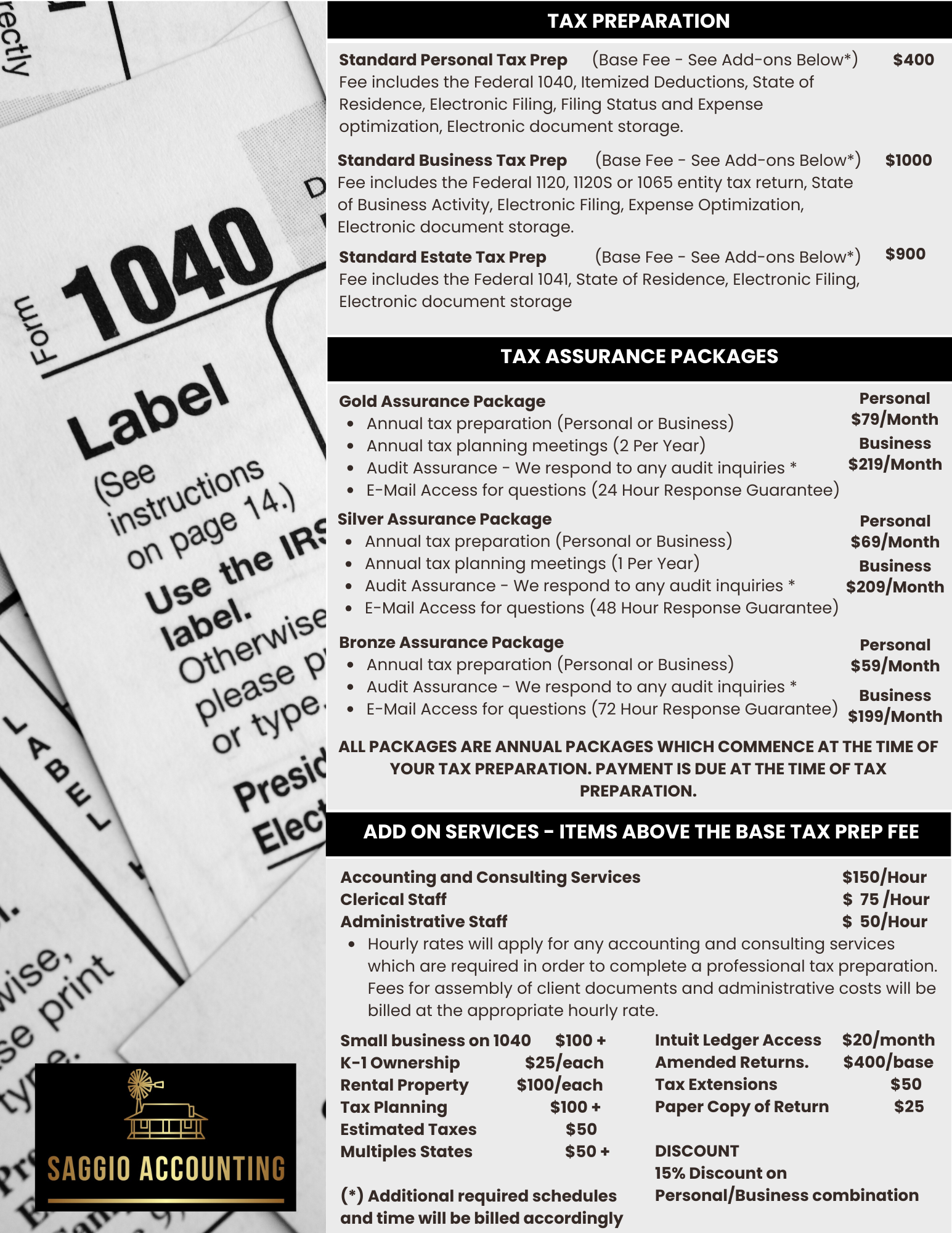
TAX ASSURANCE PRICING
Personal Income Tax Services
In addition to our normal tax preparation service, we also offer the Tax Assurance Packages for those clients who want more than just a tax preparation. These packages are annual packages which provide superior tax preparation, tax planning and access to a tax expert via e-mail. All of these additional services are free of charge to those clients who select on of our Tax Assurance Packages.
Bronze Assurance Package
-
Annual Tax Preparation
-
Audit Assistance - We respond to audit inquiries
-
E-Mail Access for questions (72 Hour Response)
Gold Assurance Package
-
Annual Tax Preparation
-
2 Tax Planning Meetings per year
-
Audit Assistance - We respond to audit inquiries
-
E-Mail Access for questions (24 Hour Response)
Silver Assurance Package
-
Annual Tax Preparation
-
Annual Tax Planning Meeting
-
Audit Assistance - We respond to audit inquiries and E-Mail Access for questions (36 Hour Response)
TAX ASSURANCE PRICING
Business Income Tax Services
In addition to our normal tax preparation service, we also offer the Tax Assurance Packages for those clients who want more than just a tax preparation. These packages are annual packages which provide superior tax preparation, tax planning and access to a tax expert via e-mail. All of these additional services are free of charge to those clients who select on of our Tax Assurance Packages. These packages include both the business and personal tax related preparation services.
Bronze Assurance Package
-
Annual Tax Preparation (Business and Personal)
-
Audit Assistance - We respond to audit inquiries
-
E-Mail Access for questions (72 Hour Response)
Gold Assurance Package
-
Annual Tax Preparation (Business and Personal)
-
2 Tax Planning Meetings per year
-
Audit Assistance - We respond to audit inquiries
-
E-Mail Access for questions (24 Hour Response)
Silver Assurance Package
-
Annual Tax Preparation (Business and Personal)
-
Annual Tax Planning Meeting
-
Audit Assistance - We respond to audit inquiries and E-Mail access for questions (48 Hour Response)